THE PROBLEMWhy this matters
Biodiversity knowledge, research opportunities and environmental education are often concentrated in major institutions. Island and rural communities need accessible spaces where local experience, science and practical climate action can meet.
LOCATIONWhere we work
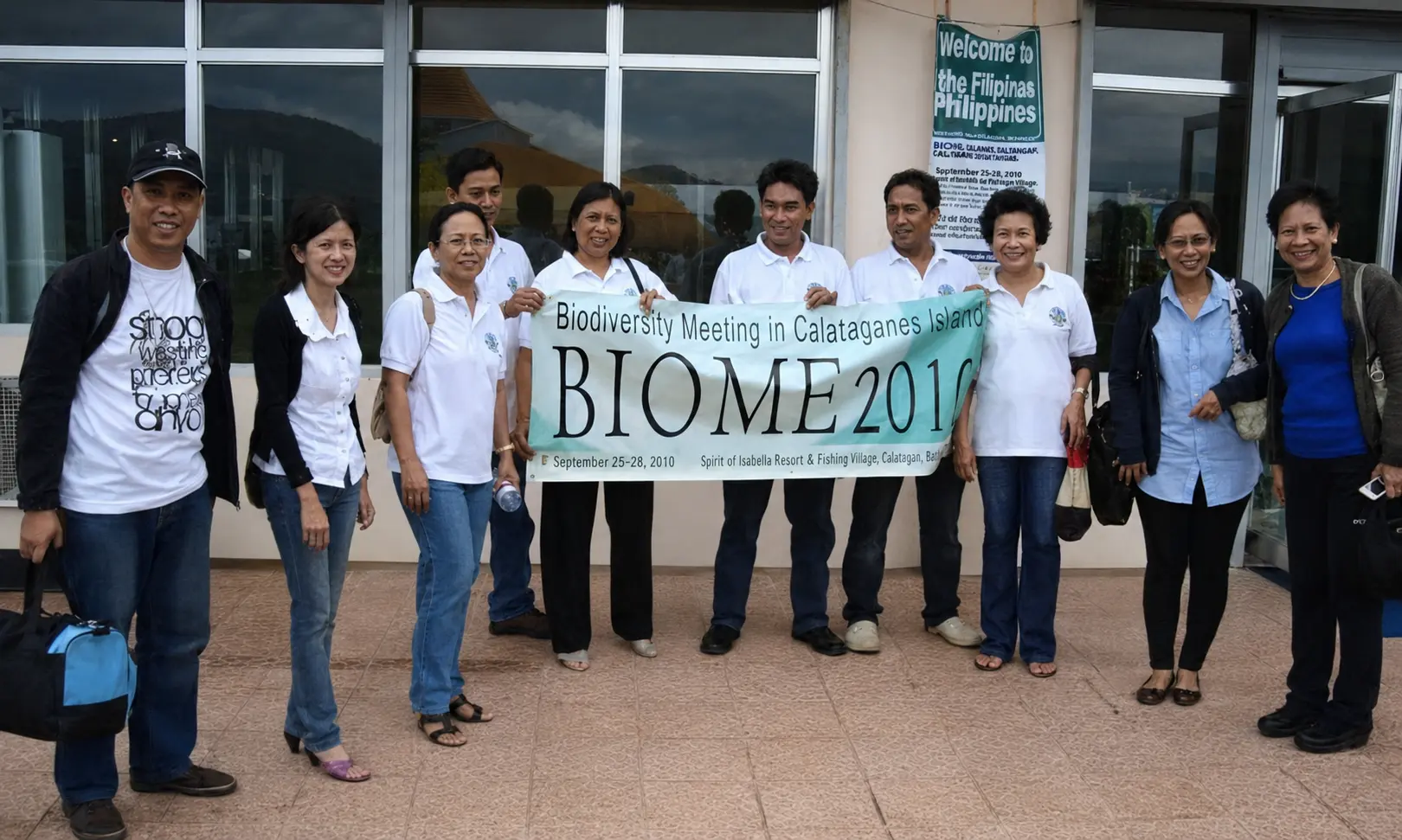
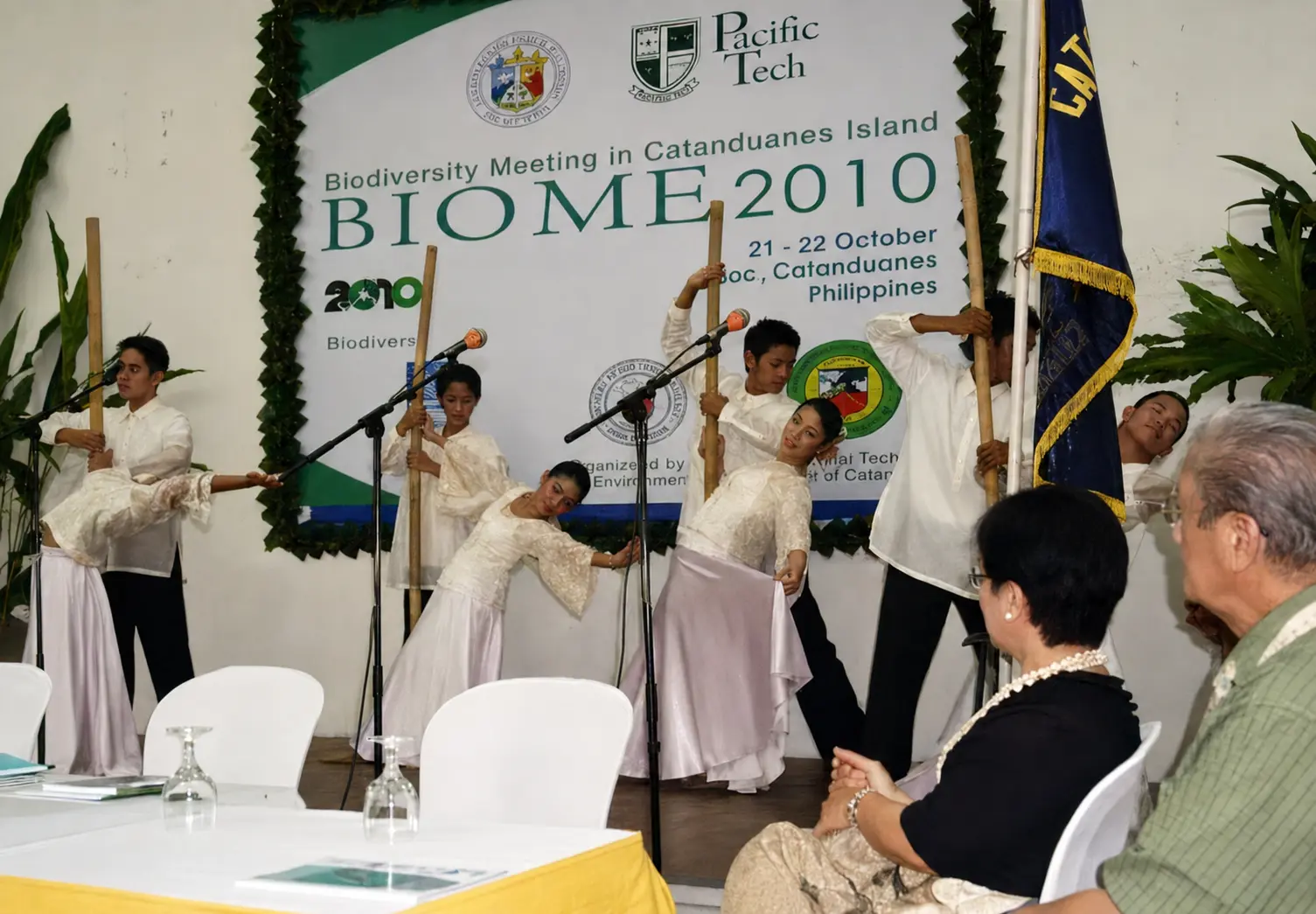
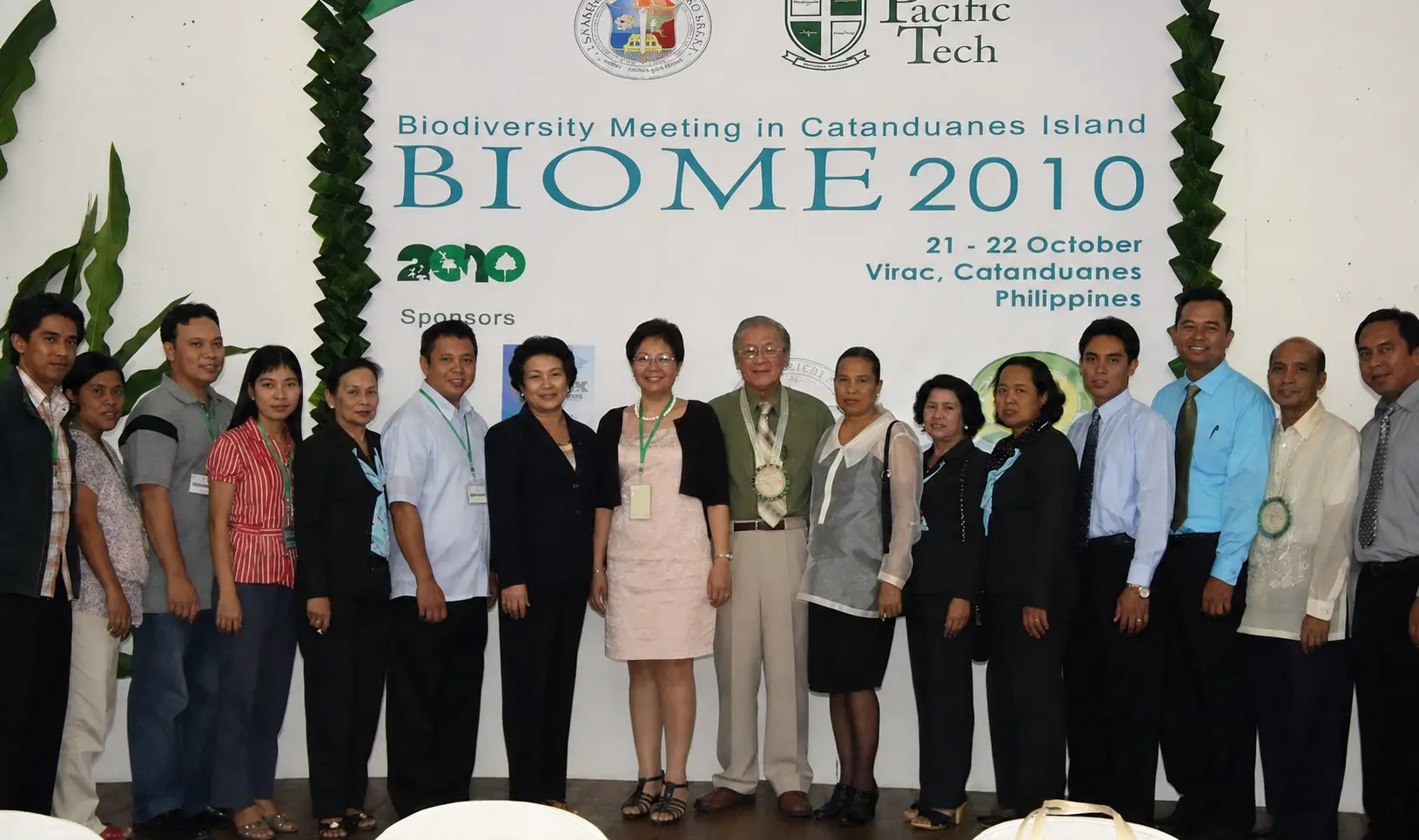
A national and community-based platform with documented activities in Virac, Catanduanes and Aklan, Philippines, supported by digital access.
OBJECTIVEWhat we will achieve
Expand public access to biodiversity knowledge, strengthen research and education networks and translate scientific exchange into locally relevant environmental action.
BENEFICIARIESWho benefits
Researchers, educators, students, practitioners, government representatives, faith communities, community leaders and biodiversity advocates.
TIMELINEImplementation period
Annual biodiversity meeting cycle with year-round research exchange, documentation, education and partnership development.
ACTIVITIESWhat the project does
- Philippine National Biodiversity Meetings and memorial lectures
- Scientific paper and research presentations
- Community environmental education and field learning
- Digital documentation, publications and open-access knowledge sharing
- Institutional networking and partnership development
TARGETSWhat funding delivers
- Sustain the BIOME platform beyond its tenth meeting
- Deliver accessible biodiversity and climate-learning activities
- Increase participation from schools, universities and communities
- Document research presentations and partner-led action
- Publish and share useful program outputs
BUDGET & PARTNERS
A transparent funding pathway.
A detailed line-item budget is available in the project brief. Funding can support an event, research session, field activity, learning material, participant access or year-round digital documentation.
Documented collaborators and participating institutions include Catanduanes State University, the Abaca Technology and Innovation Center, DOST-PNRI and Elsevier’s Journal of Sea Research. New academic, community and corporate partners are welcome.
SDG 4 — Quality EducationSDG 13 — Climate ActionSDG 14 — Life Below WaterSDG 15 — Life on LandSDG 17 — Partnerships
IMPACT METRICSHow progress is measured
- Researchers, educators, students and communities reached
- Institutions and partner organizations represented
- Research papers, talks and learning sessions delivered
- Schools and communities participating
- Digital resources and publications shared
- Partnerships and follow-on environmental actions generated
REPORTINGWhat partners receive
- Approved project brief and detailed line-item budget
- Implementation schedule and responsible team
- Photographic and activity documentation
- Progress against agreed outputs and outcomes
- Financial and narrative reports based on the partnership agreement
START A PARTNERSHIPFund measurable local action.
PACIFICTECH will provide the complete proposal, due-diligence documents, detailed budget and reporting schedule before funds are transferred.