Mangrove Restoration & Coastal Livelihoods
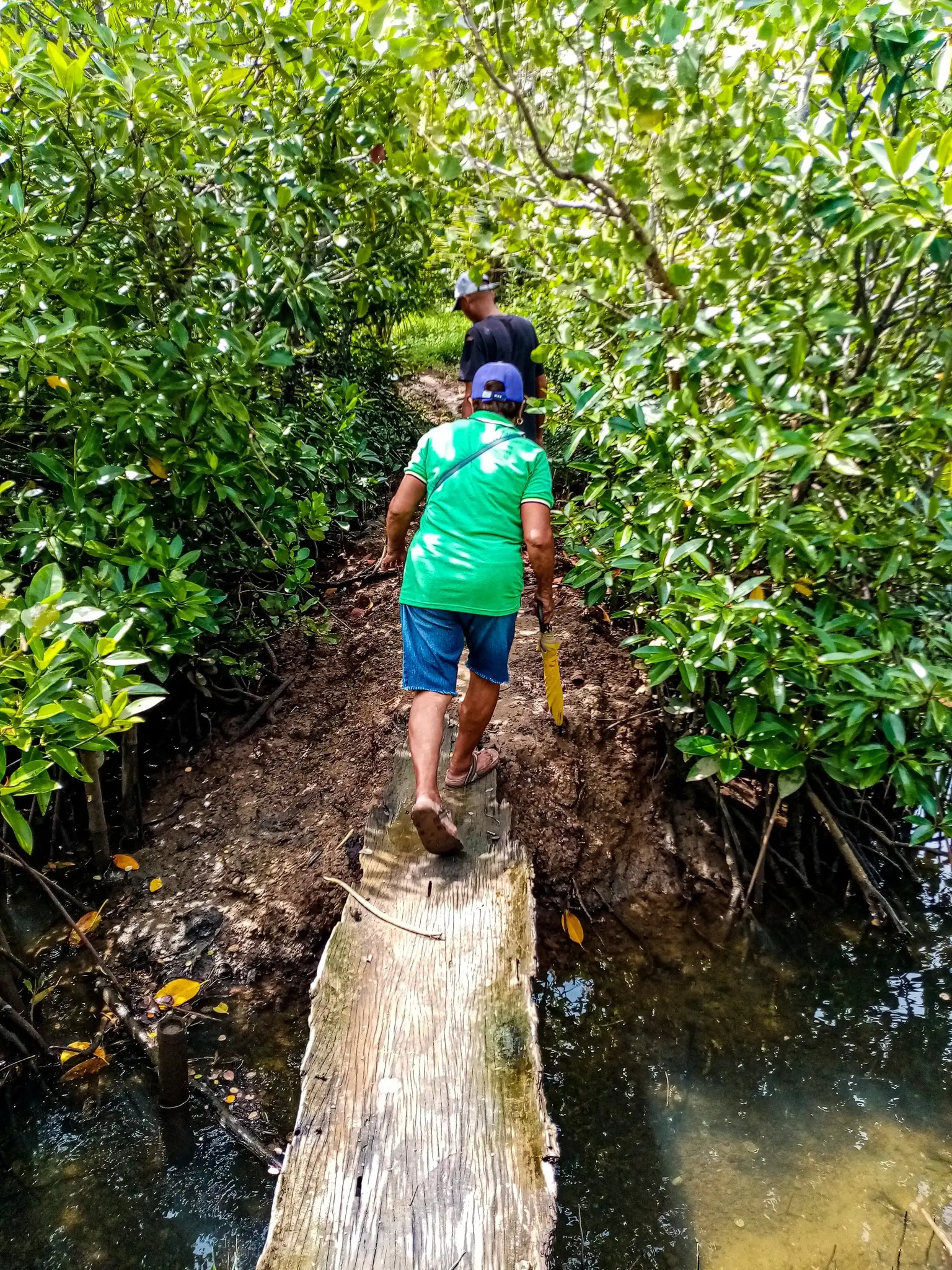
Restore native mangroves while strengthening biodiversity monitoring, climate resilience and mangrove-crab livelihood opportunities.
PACIFICTECH
RTIC CESSE INC.
Shop
PACIFICTECH connects science, community action, environmental education and sustainable livelihoods to restore mangrove ecosystems and strengthen climate-resilient communities.
Choose a program aligned with your foundation, corporate sustainability, research, education or community-development priorities. Every partnership can be supported by a project brief, budget and impact-reporting framework.
Restore native mangroves while strengthening biodiversity monitoring, climate resilience and mangrove-crab livelihood opportunities.
Connect researchers, educators, students, communities and institutions through biodiversity meetings, learning and research exchange.
Equip young people to collect coastal climate data, communicate science and lead locally grounded environmental action.
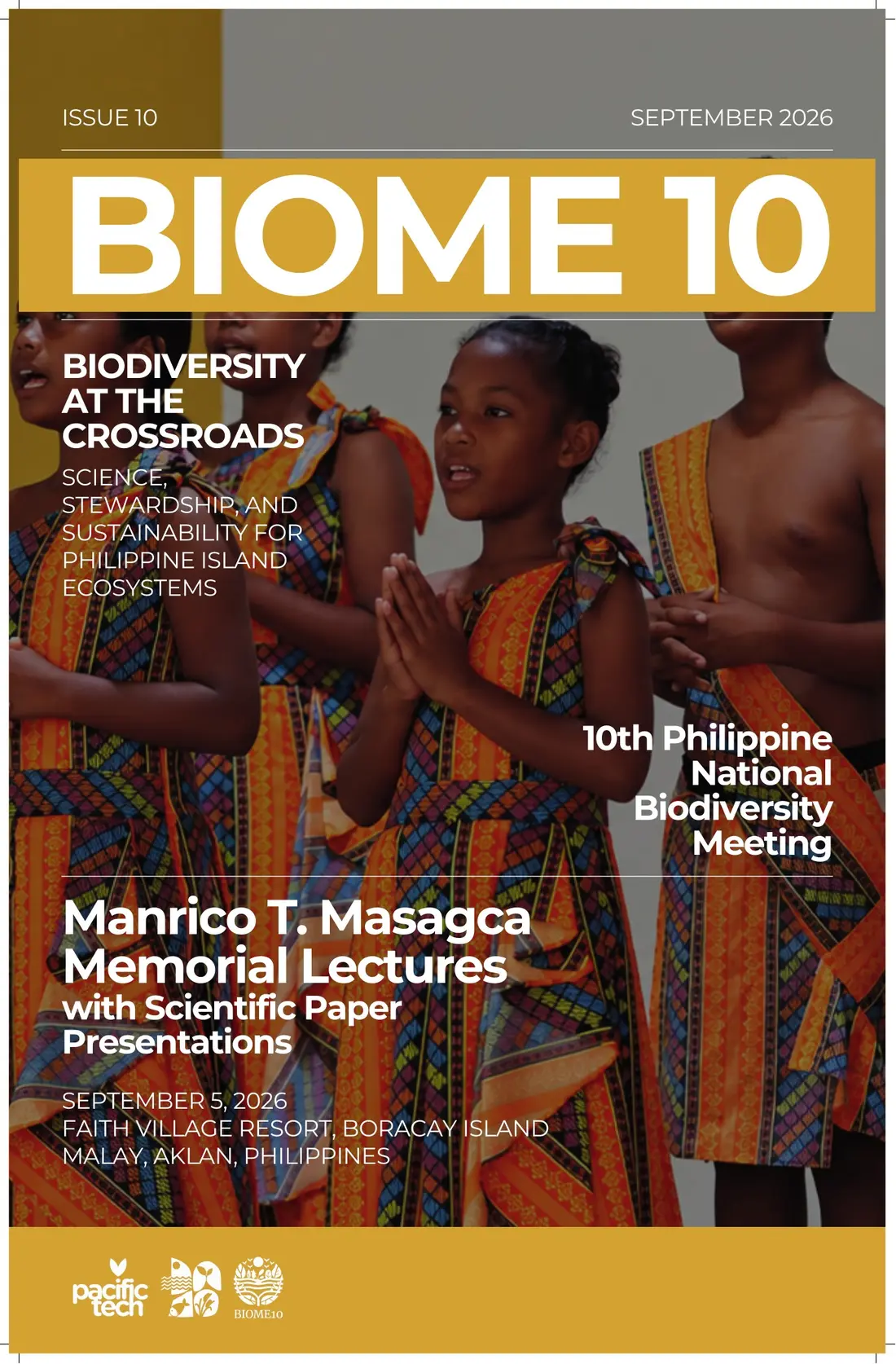
The 10th Philippine National Biodiversity Meeting brought science, stewardship and sustainability into one conversation about Philippine island ecosystems. This digital edition records the event, its research themes, community voices, institutional partnerships and the legacy of Manrico T. Masagca.
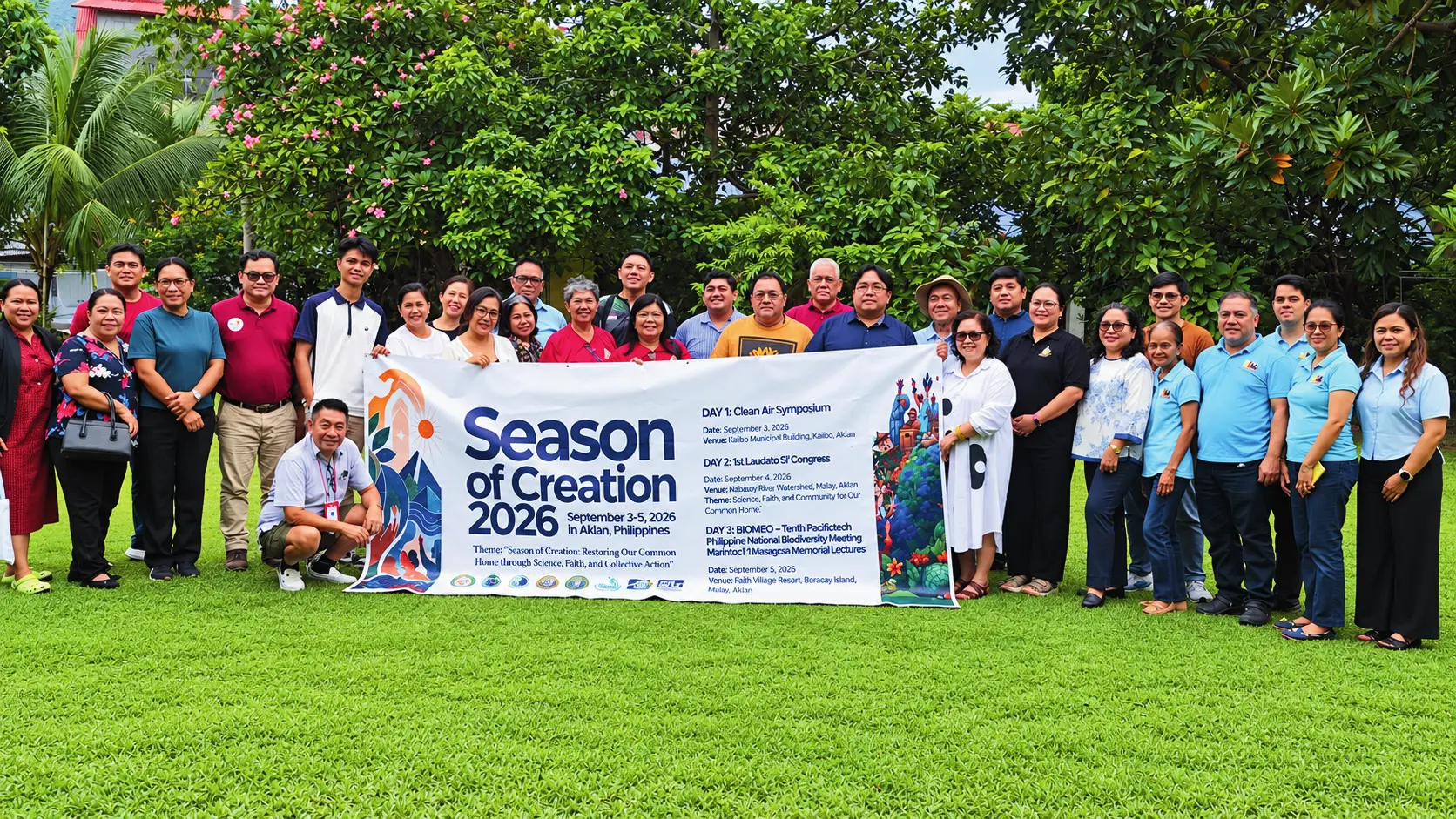
Kalibo Municipal Building, Kalibo, Aklan
Nabaoy River Watershed, Malay, Aklan
10th Philippine National Biodiversity Meeting and Manrico T. Masagca Memorial Lectures
Organized by PACIFICTECH RTIC CESSE, Inc., BIOME 10 connected freshwater biodiversity, mangrove restoration, coastal environments, analytical science, plant research, livelihoods, science communication and public policy. The meeting also invited researchers, educators, students and community partners to make knowledge useful to the people and places it is intended to serve.
Official theme“Biodiversity at the Crossroads: Science, Stewardship, and Sustainability for Philippine Island Ecosystems.”
Open each chapter to read the website edition. The summaries preserve the full range of subjects in the magazine while keeping the homepage compact and easy to navigate.
From the gateway of Kalibo to the shores of Boracay, Aklan gave BIOME 10 a setting where island landscapes, livelihoods and communities could be considered together. Kalibo International Airport connects the provincial mainland with the meeting destination, while Faith Village Resort hosted the September 5 program.
The Aklan research agenda extended beyond the venue. Contributions examined land-use dynamics in the Banga microcatchment, groundwater in the Bay-Ang, Batan basin, thermal properties of Boracay beach sands, beach forests along Long Beach and freshwater crabs in the Nabaoy River.
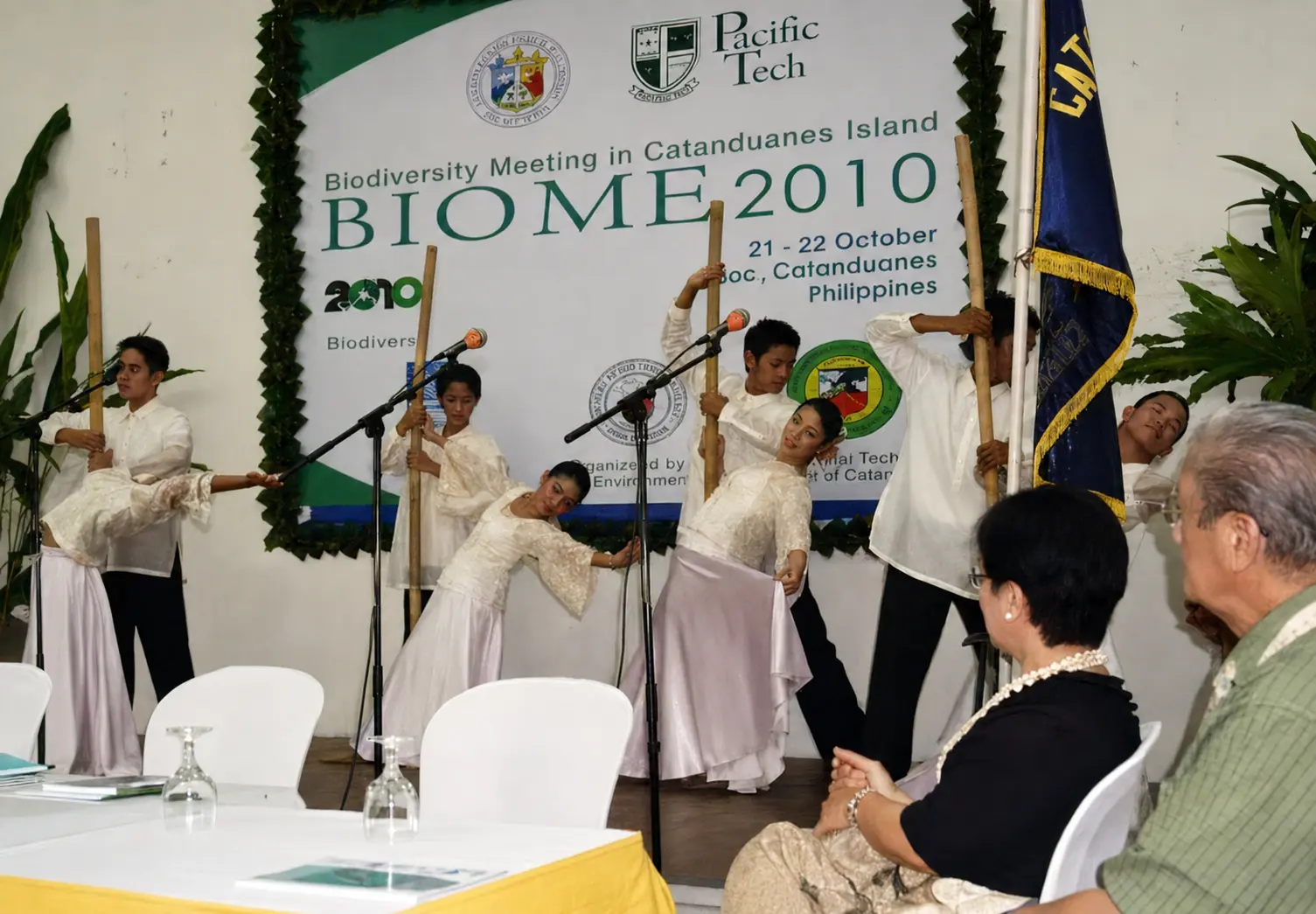
The Boracay Ati were represented in the opening program through the rendition of “Lupang Hinirang” and a song dedicated to Manrico T. Masagca. Their participation connected the meeting's scientific purpose with culture, community and remembrance.
The magazine recognizes the Ati as Indigenous people of the Visayas with communities in Boracay, Panay and Negros. It also stresses that meaningful inclusion should extend beyond ceremony by making room for community members to express priorities, describe experiences and participate in decisions concerning their environment and future.
An island's future depends on relationships between land and water, people and livelihoods, scientific knowledge and everyday decisions. BIOME 10 asked how research can help people care more effectively for the places they call home. Its message to students and emerging researchers was direct: begin with useful local questions, investigate carefully, communicate honestly and make knowledge useful.
The event was a day of scientific exchange, remembrance and collaboration centered on the Manrico T. Masagca Memorial Lectures with Scientific Paper Presentations. Five sessions moved across plant research, analytical science, freshwater and coastal systems, mangrove conservation, livelihoods and biodiversity advocacy.
The program also recognized culture through the Boracay Ati, welcomed institutional dialogue and allowed space for conversations across disciplines and locations. Together, these elements framed island conservation as work requiring several kinds of knowledge and long-term cooperation.
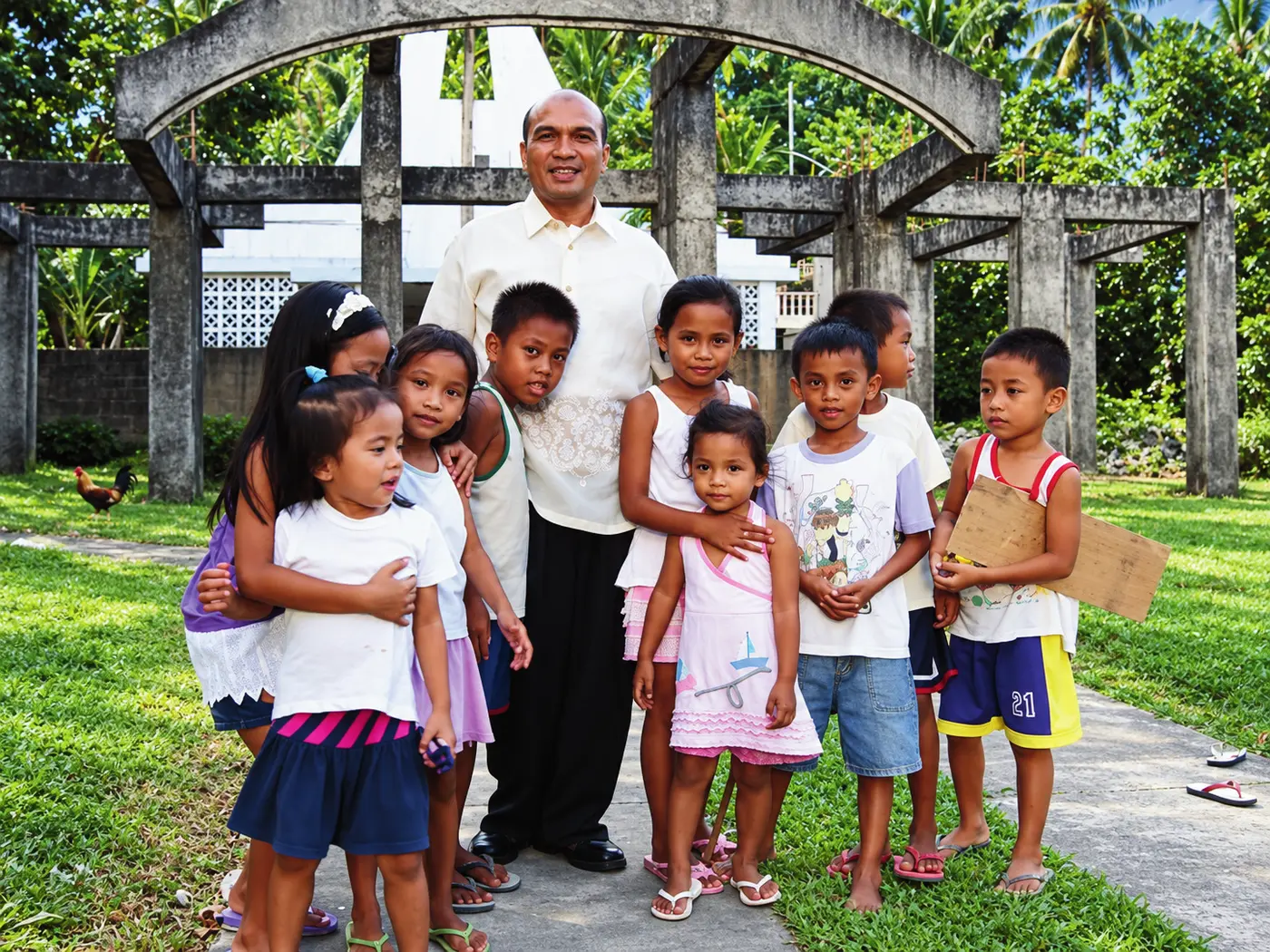
August 14, 1954 - September 29, 2024. Manrico's story began in Virac, Catanduanes. After losing his parents at an early age, he grew up with six siblings and learned responsibility and self-reliance while working to continue his education.
He graduated valedictorian from Virac Pilot Elementary School and salutatorian from Catanduanes Colleges. In 1975, he earned a Bachelor of Science in Commerce, major in Accounting, from the University of Santo Tomas through the State Scholarship Program.
He later completed a Master in Management at the Technological University of the Philippines and pursued cooperative-management studies at the Polytechnic University of the Philippines. His career spanned banking, accounting, administration, teaching, cooperative leadership and organizational service, including responsibilities within the Philippine National Bank.
As PACIFICTECH's founder and first chief executive, he helped establish an organization connecting research, education, innovation and community engagement. The Memorial Lectures carry that legacy into continuing inquiry and service.
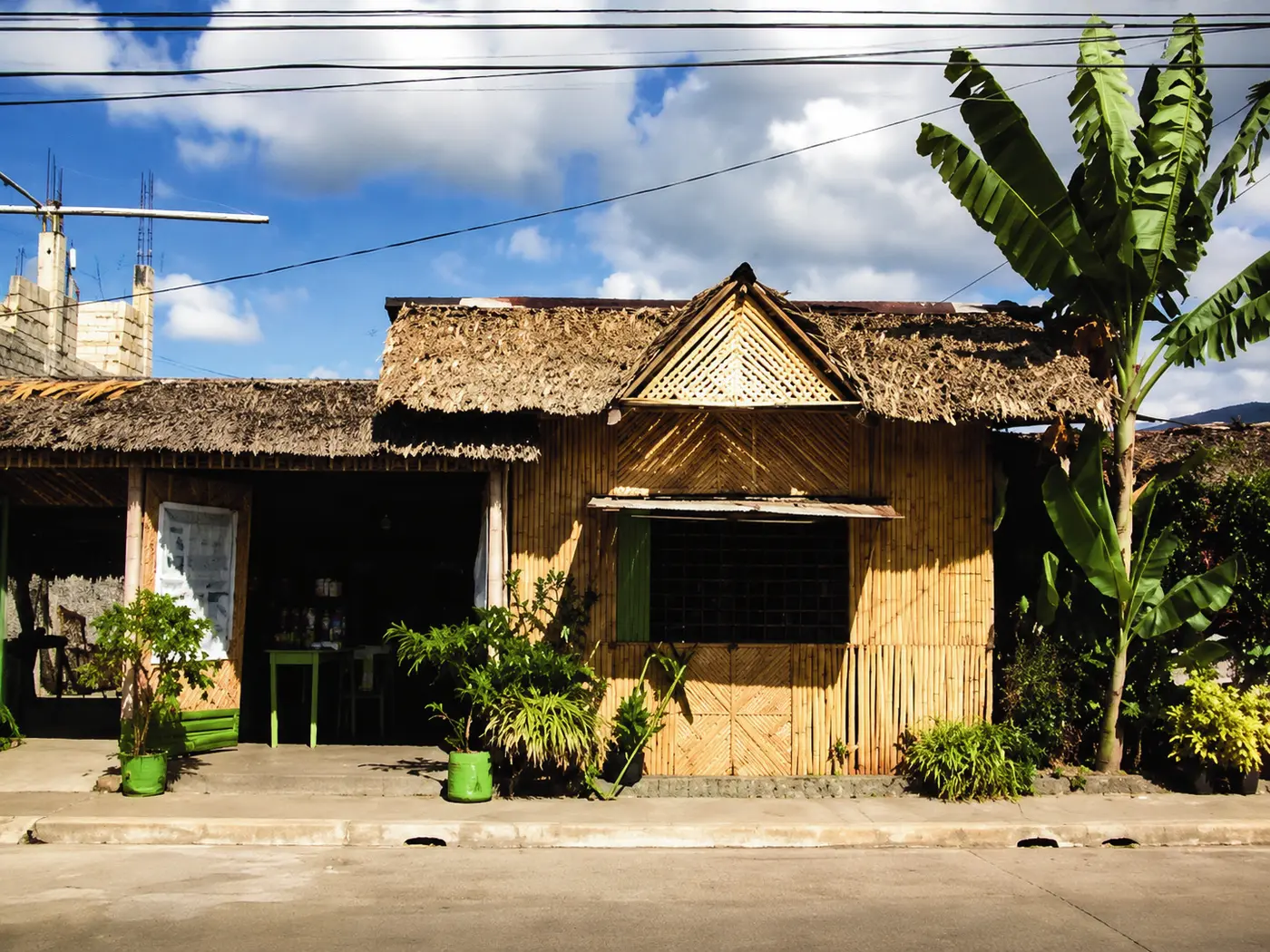
PACIFICTECH's organizational history traces its beginnings to a modest property belonging to Manrico T. Masagca in Constantino, Virac, Catanduanes. Beginning in 2009, the bahay kubo offered a place where ideas were discussed, community needs were identified and education and organized action could be planned.
That local beginning continues in the organization's emphasis on research, training, innovation, collaboration and community engagement. BIOME 10 extends the same principle by bringing questions from Catanduanes and Aklan into wider scientific conversations.
The program included research on the freshwater germination of Rhizophora apiculata and Bruguiera gymnorrhiza, with possible relevance to nursery propagation. A separate presentation addressed science-based mangrove conservation and restoration in Catanduanes.
Listed contributors included Jimmy T. Masagca, Sonia R. Sapico, Estrella T. Tribiana and Jhomann U. Socito.
Freshwater research included Dave T. Secorata and Jimmy T. Masagca's work on gastropod assemblages in three major Catanduanes river systems. Consortium discussions also covered freshwater crab diets in the Nabaoy River and comparative work on Jagora snails from Catanduanes and Aklan.
Program titles identify research questions. Their practical meaning depends on the methods, findings and conditions documented in each study.
Dr. Resurreccion B. Sadaba's “Boracay's Green Shore” focused attention on beach forests along Long Beach. Another paper investigated the “Cool Sand Phenomenon” through comparative thermal properties of Philippine beach sands.
Groundwater studies in the Bay-Ang, Batan basin and Raymond J. Sucgang's lecture on environmental science and innovation connected water, coastlines and the idea of caring for a common home. The issue also highlights biodiversity, waste management, water quality, coastal protection and cooperation among communities, tourism stakeholders, schools, environmental organizations and government.
Other papers explored biological activity in extracts of putat, Acanthus mangroves and makahiya. Pastor B. Mendez I contributed a humanities perspective through medieval logic and value pluralism in nature conservation.
Inclusion in the program does not by itself establish findings or suitability for medical, veterinary or commercial use. Each contribution must be assessed according to its own evidence.
Jennifer A. Berces's “Sweet Heritage, Sustainable Futures” placed the muscovado or “bukayo” agro-industry of Alinawan, Panganiban, Catanduanes within a discussion of local production and cultural identity. Kent Jude F. Quimpo and Jeron V. Zonio presented “ECO S,” a biodegradable spoon concept using Oryza sativa and Zea mays.
The consortium agenda connected seafood, regenerative tourism, coastal resilience and livelihoods across the Goni and Haiyan corridors, with breadfruit, oysters and mangrove crabs among its subjects. Jose Marie Eslopor's presentation on community-based conservation placed public participation directly within the agenda.
“Science Communication and Biodiversity Advocacy: Giving the Natural World a Voice in Policy,” listed under Lucio M. Flores III and Dr. Jimmy T. Masagca, addressed the gap between scientific knowledge about biodiversity loss and its translation into policy action.
The issue calls for responsible reporting that explains a study's question, evidence, significance and limitations. Clear language can help research enter classrooms, community discussion, institutional planning and public debate without presenting an interesting possibility as an established result.
The BU-CatSU-ASU consortium session created space for collaboration in instruction, research, extension and production. Its agenda included a proposal submitted to CHED concerning the BEACON Goni and Haiyan corridors for coastal resilience, plus studies on freshwater crabs, food innovation, livelihoods, Lingula unguis and Jagora snails.
A submitted proposal is not the same as an approved or funded project, and an ongoing study should not be presented as a completed outcome. The opportunity is to build partnerships supported by clear responsibilities, documentation and continued communication.
The program records the establishment, beginning in 2026, of the Manrico T. Masagca Young Scientist Paper Award for the best paper presented by a student or researcher aged 30 and below. The magazine does not identify a recipient.
The award links remembrance with opportunity. Young researchers need places to present work, answer questions, improve methods and receive serious mentorship grounded in accuracy and thoughtful interpretation.
BIOME 10 connected biodiversity research, climate-related concerns, environmental stewardship and community service. Across five memorial lecture sessions and the consortium program, the continuing challenge was clear: ask useful questions, investigate carefully, share knowledge clearly and remain attentive to the people and places that research is intended to serve.
Photography: Kenneth Tuplano and Mark Lorenz S. Trinidad.
Technical support: Krizza Nica B. Parum and Johndale I. Reloj.
Acknowledgment also extends to the lecturers, authors, collaborating institutions, community partners, program personnel and volunteers identified in the meeting materials.
BIOME 10 supported exchange among PACIFICTECH, participating researchers, educators, communities and the BU-CatSU-ASU consortium. The goal is to sustain relationships that remain useful after the meeting through shared research, teaching, extension and responsible communication.
Remembering a founder can become a continuing act of service. Through research, teaching, community engagement and responsible communication, the values associated with Manrico T. Masagca can find expression in new work.
For our islands. For our communities. For the generations to come.Choose a platform to continue. Each portal supports a different part of our research, learning and community mission.
National biodiversity meetings, research exchange and community environmental action.
Submit, review and manage scholarly work through the PACIFICTECH journal system.
Read published research on biodiversity, climate, sustainability and community resilience.
Accessible online training in research, environment, technology and livelihood development.
Simple science calculators, reviewers and learning resources for Filipino students.
03 / BIOME & COMMUNITY ACTION
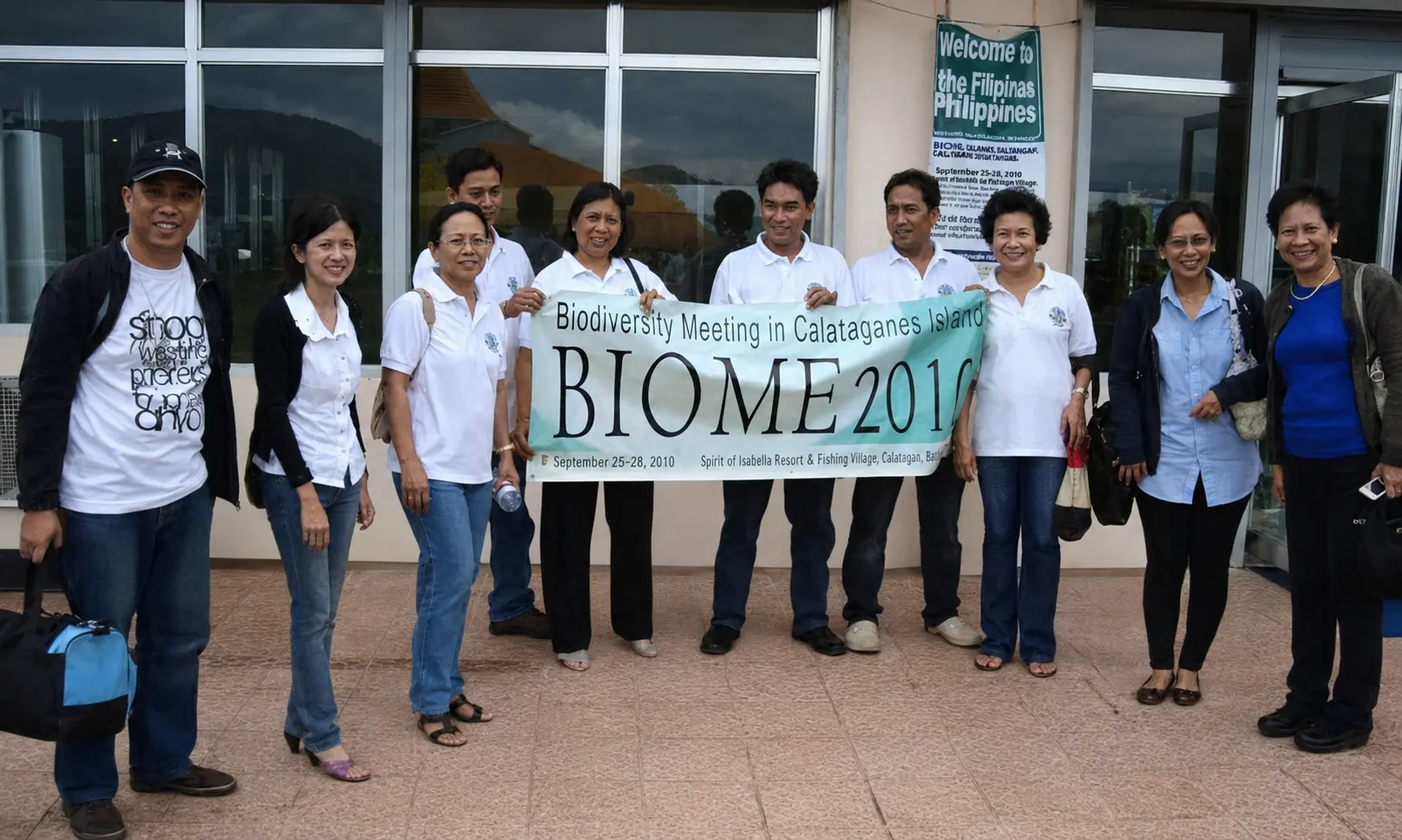
BIOME connects biodiversity research, citizen science, digital education and community collaboration. Recognized as a 2021 Falling Walls Future Learning finalist, the initiative reached its 10th Philippine National Biodiversity Meeting on September 5, 2026 in Boracay Island, Aklan.
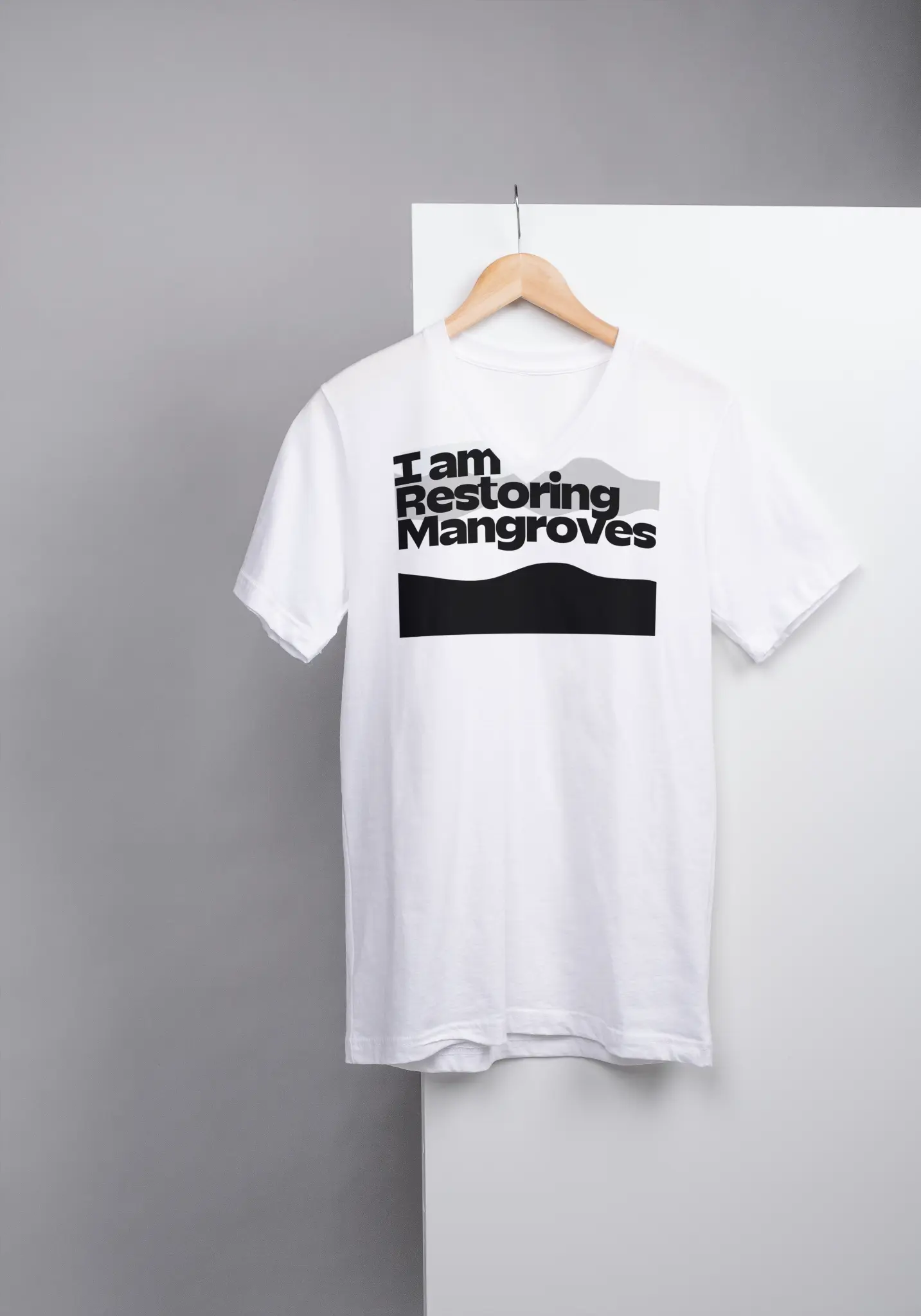
Caps, shirts and art inspired by wetlands, mangroves and island biodiversity. Proceeds help support PACIFICTECH research, learning and community activities.
View all productsPACIFICTECH RTIC CESSE INC. is a Philippine non-government organization advancing Research, Training, Innovation and Collaboration for Community Engagement, Sustainable and Safe Environment.
Its connected work includes biodiversity meetings, journal publication, community research, environmental education, digital learning, youth development and sustainable livelihood initiatives.
Read our full profile
Support mangrove planting, fisherfolk participation and community environmental learning.