Coffee
The invitation - a welcoming reason for travelers, students and community members to enter and stay.
 PACIFICTECH FUTURE HUB PROJECT
A compact, biophilic destination combining coffee, plants, environmental research, digital learning, training and community engagement in one living ecosystem.
“Come for a stop. Discover science. Connect with nature. Leave with knowledge.”

A visitor may arrive for coffee, drinking water, a short rest or a plant purchase, then discover environmental exhibits, research activity, books, microscopes, online courses, PACIFICTECH publications and community initiatives.
The Hub is not a café, shop, laboratory or office operating as separate ideas. It is designed as one connected research and community ecosystem.
The invitation - a welcoming reason for travelers, students and community members to enter and stay.
The connection to nature - making biodiversity, ecology and responsible plant care visible.
The science - producing evidence through environmental observation, measurement and documentation.
The knowledge transfer - turning research into useful skills and practical learning.
The impact - linking youth, students, fisherfolk, researchers, volunteers and residents.

The visible research room, reference library and digital stations support research-data encoding, GIS mapping, scientific writing, journal access, online learning and AI-assisted research.
Reception, Barako and brewed coffee, tea, local beverages, simple pastries, sandwiches and stopover food. The counter also introduces programs and volunteer opportunities.
Native plants, herbs, ferns, seedlings, seeds, compost and pots with educational cards explaining scientific names, habitat, care and value.
Low-risk microscopy, water testing, botany, biodiversity observation and monitoring, physically separated from food preparation and storage.
Movable furniture supports seminars, research training, youth workshops, GIS, AI learning, climate education and project planning.
Eco bags, notebooks, guides, posters, shirts, seeds and gifts beside PACIFICTECH journals, reports and BIOME publications.
A concise story wall connects environment, research and communities using photographs, maps, lawful specimens, diagrams and QR codes.
Initial research focuses on water quality, soil and plant studies, mangrove and coastal ecosystems, biodiversity documentation, aquaculture observation and environmental data collection.
Compound and stereo microscopes, digital microscope, camera, slides and cover slips.
pH, dissolved oxygen, salinity, conductivity, turbidity and temperature instruments.
GPS, scales, calipers, soil and light meters, weather instruments, sample bottles and cameras.
Chemical-resistant bench, stainless-steel sink, lockable storage, dedicated refrigerator and stools.
The research zone uses controlled access, a dedicated sink, storage and refrigeration, separate waste handling and clear labeling. Café utensils, sinks, refrigeration and storage are never shared with laboratory activities. Higher-risk work requires a properly designed and compliant facility.

Plant display, PACIFICTECH signage, sliding entrance and an accessible waiting area.
Coffee counter, water station, seating, plant shop and environmental products.
Research exhibit, library, digital station, training and community area.
Environmental laboratory, approved sample storage and research equipment.
Administration, staff storage, utilities and back-of-house functions.
Raw-wood entrance Welcome Coffee or water Plants Research exhibit Visible laboratory Library Training Projects and action
Wood, black metal, calm white walls, durable concrete or stone-like flooring and selective planting create a warm, uncluttered environment. Small labels can explain why each sustainability feature matters.
Waste segregation, composting and reduced single-use plastics
Native planting, reused furniture and low-VOC finishes
Water-efficient fixtures, refill station and rainwater collection where feasible
LED lighting, daylight, natural ventilation and solar energy where practical
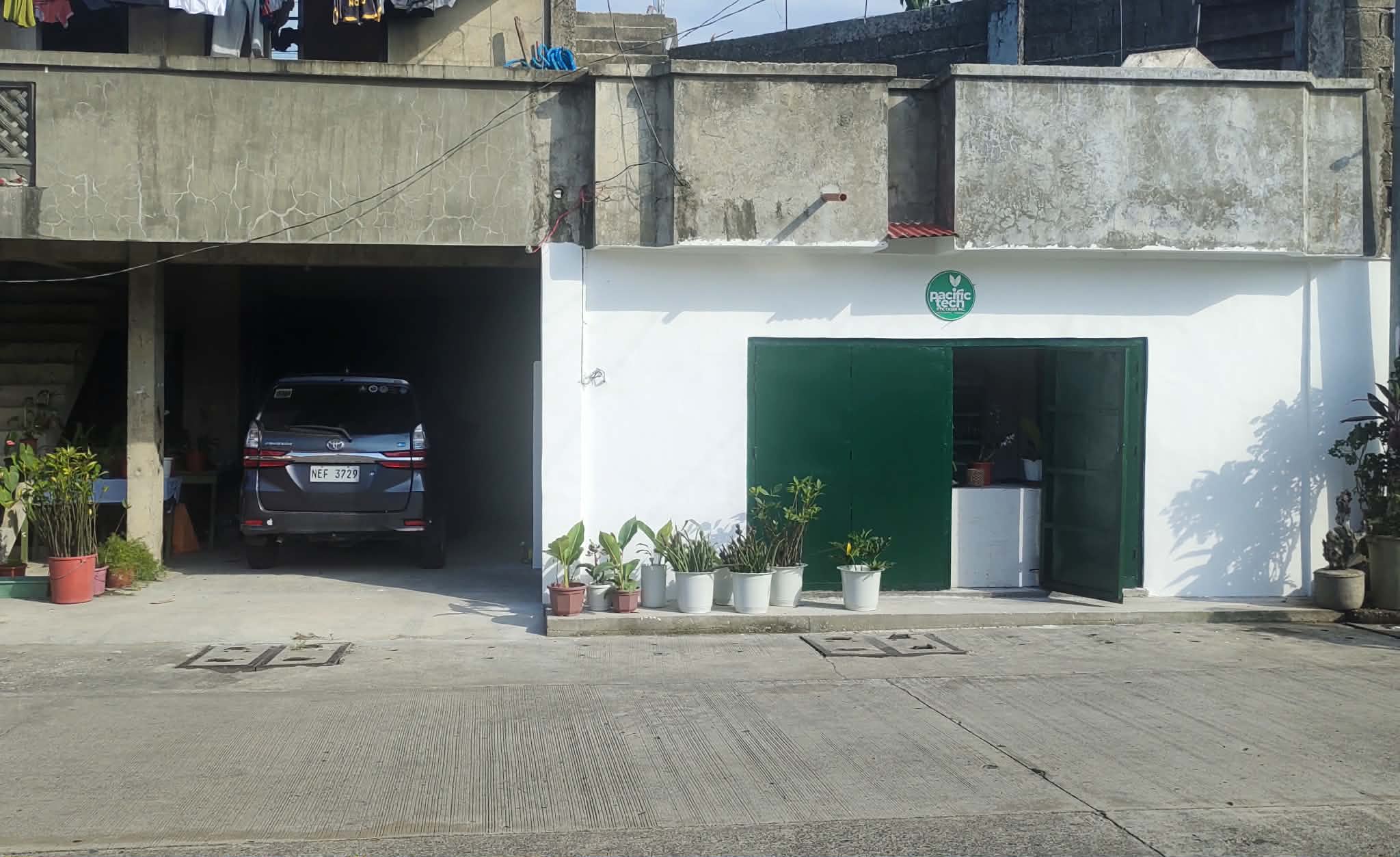
The Future Hub is intended to support students, youth, teachers, researchers, fisherfolk, schools, universities, government partners, NGOs, visitors and the wider community.
Grant-supported programs may work alongside modest income from plants, refreshments, publications, affordable courses, training, research services, workshops, venue use and eco-oriented merchandise. Earnings are reinvested in education, maintenance, research and community programs.
Read the complete concept documentThis page presents a concept brief. Final architecture, engineering, laboratory design and operations must be completed by qualified professionals and validated against all permits, food-safety, accessibility, building, environmental and laboratory requirements applicable to the final site and activities.